Dealing with water damage in your home can be a daunting and often distressing experience. From the initial discovery of water intrusion to managing the aftermath, the process can feel overwhelming.
Whether it’s a burst pipe, a flooded basement, or damage after a storm, understanding what to expect when you file an insurance claim is crucial. This guide will help you navigate the complexities of the claims process with confidence, ensuring you are well-prepared to restore your property and peace of mind.

What Is Water Damage?
Water damage refers to the harm caused to property by water which is not supposed to be there. It can occur in various forms and due to multiple sources. Homeowners insurance should cover property damages when the water damage involves the following incidents:
- Sudden and accidental leaks that occur in less than 2 weeks
- Burst pipes
- Washing machine leaks
- Refrigerator leaks
- Garbage disposal leaks
- Wind-driven rain (including hail storms, however, rain alone is typically not covered)
- Earthquakes (in some areas this is covered, but is typically sold as a separate policy)
- Slab leaks (State Farm is the only carrier that excludes slab leaks)
Understanding Gradual Damage and Source of the Damage
Many insurance policies will not cover gradual damage issues that have been existing for more than 14 days. For example, if you have a pipe burst as a result of old pipes that you did not replace, the insurance provider might find you at fault for neglecting to take care of your pipes and not covering the costs for damages.
Additionally, most insurance policies do not cover the source of the damage. For example, if your home has water damage that was caused by a broken dishwasher, the costs of replacing the dishwasher would not be covered under the policy.
Most homeowners’ insurance policies cover water damage that is sudden and accidental. However, it’s important to review your policy closely because coverage can vary significantly. Typically, gradual damage, such as a slow leak that has been ignored over time, is not covered. Understanding the nuances of your policy will help you better manage your claim and expectations.
Just Because Your Insurance Coverage Includes the Above Incidents Doesn’t Mean Your Insurance Company Will Pay For Damages
They will often look for every reason not to pay and find you responsible. When you encounter water damage, it’s essential to act swiftly to mitigate further damage and begin the claims process. This can help in a smoother recovery and restoration of your property.
How To Navigate the Claims Process
If you’ve experienced water damage, here are some key steps to follow when navigating the claims process:
1. Assess the Situation Safely
Before doing anything, ensure it is safe to access the affected areas. Avoid electrical hazards and structural damage that might have been caused by the water.
2. Document the Damage
Take photos and videos of the damage as soon as possible. Document everything affected by the water, including walls, floors, furniture, and personal belongings. This visual evidence is crucial for your insurance claim.
3. Mitigate Further Damage
Take reasonable steps to prevent additional damage, such as using tarps to stop water ingress or moving undamaged items to a safe location. Keep in mind that insurance policies typically require you to mitigate further damage.

4. Review Your Insurance Policy
Understand the specifics of what your policy covers and the deductible amounts. Look for terms related to water damage and any exclusions that might apply.
5. Contact a Licensed Public Adjuster
Public adjusters specialize in managing insurance claims on behalf of policyholders. They can offer valuable guidance, assess the damage more thoroughly, and help you understand your policy better. They work for you, not the insurance company, which means they advocate for your best interests in the claim.
6. Notify Your Insurance Company
Report the damage to your insurance company as soon as possible. Provide them with preliminary details and let them know you have enlisted the help of a licensed public adjuster.
7. Prepare for Your Pubilc Adjuster’s Visit
Prepare for the visit with your licensed public adjuster by having all your documentation ready, including any receipts for emergency repairs and mitigation efforts.
8. Claim Filing
Work with your public adjuster to file the claim. They can handle the paperwork, submit the necessary documentation, and negotiate with the insurance company to ensure that you receive a fair assessment and compensation.
9. Follow Up Regularly
Stay in contact with your licensed public adjuster to stay updated on your claim’s status. Don’t hesitate to ask your adjuster any questions that might come up during the process.
10. Review Settlement Offers
Once the insurance company makes an offer, review it with your public adjuster. They can help you decide whether the offer is fair and advise on whether to accept or negotiate for a better deal.

Is Flood Damage Covered Under My Policy?
Flood damage is different than water damage and is not typically covered under most
homeowners insurance policies. Flood damage is defined as occuring when there is excessive water on land that would otherwise be considered dry.
A separate flood insurance policy should be purchased. You can purchase flood insurance through either a private insurance group or the National Flood Insurance Program (NFIP).

How Hiring a Public Adjuster Can Benefit Your Water Damage Claims Process
Public adjusters can help with your water damage claims process in many ways, including the below:
- Potentially maximize your insurance claim payouts
- Receive help with the entire claims process
- Have someone advocating for you for a fair settlement
- Experience an expedited claims process so that you can move on with your life
- Receive a thorough assessment of damages
- Trust that you have received the benefits you were entitled to receiving
- Experience less stress during the claims process
- Get “like for like” repairs
- Receive help if your claim was initially denied
Navigating the water damage insurance claims process after experiencing water damage can be complex, but with the right support and knowledge, you can manage it effectively. A licensed public adjuster plays a crucial role in this process, ensuring that your claim is handled professionally and that you receive the compensation you need to repair and restore your home.


COMBINED
EXPERIENCE
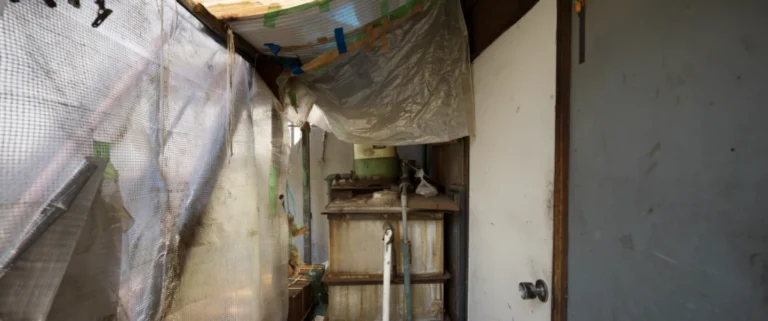


If you’ve experienced water damage and need to file a claim, we can help with the water damage insurance claim process.
Contact Us Today for a Free Consultation