When most people think of fire damage, they imagine burned furniture, blackened walls, and obvious destruction. What often goes unnoticed is the smoke and toxic residue that linger long after the flames are out. At first glance, smoke damage might look minor compared to what the fire destroyed, but its effects can be far more serious and long-lasting.
Smoke particles and residues travel into every part of a structure—walls, ceilings, insulation, HVAC systems, and even the air you breathe. This hidden contamination can create ongoing health risks, weaken materials, and cause gradual deterioration that shows up weeks or months later.
Depending on how close your home is to the burn zone, wildfire smoke can leave behind hazardous materials and heavy metals such as lead, arsenic, cadmium, chromium, and lithium. It can also release volatile organic compounds (VOCs) from burning plastics, electronics, vehicles, and building materials. These contaminants settle invisibly on surfaces, embed in fabrics, and circulate through air systems, posing serious health and safety concerns if not properly tested and cleaned.
At Excel Adjusters, our licensed public adjusters help homeowners document, measure, and negotiate the full scope of smoke contamination so their property is restored safely and completely. We work with Certified Industrial Hygienists (CIHs) and state-certified environmental experts to identify and confirm the presence of soot, ash, heavy metals, and other toxic particles that standard cleanups often miss.
We also oversee the process to verify that remediation follows IICRC S760, Cal/OSHA, and South Coast AQMD standards. That means the cleanup is handled by properly trained and equipped professionals—not a quick surface wipe or deodorizing job. What seems like a small issue at first can threaten your health, indoor air quality, and even the structure of your home if not handled correctly.

Health Risks
Smoke exposure can have both immediate and long-term effects on the body, especially on the lungs and heart. Fine particles from wildfire smoke—known as PM 2.5—are small enough to reach deep into the lungs, where they irritate tissue and make breathing difficult. Even short exposure can cause coughing, sore throat, headaches, or tightness in the chest. The eyes and skin can also become red, dry, or itchy after contact with smoke particles.
Long-term or repeated exposure can lead to more serious health problems. Wildfire smoke in urban areas often contains chemicals, VOCs, and heavy metals such as lead, arsenic, cadmium, chromium, and nickel that build up in the body over time. These materials are released when plastics, electronics, vehicles, and construction materials burn—especially in cities and neighborhoods with dense development.
Some of the documented long-term risks include:
- Asthma and chronic bronchitis that worsen with lingering smoke particles and poor air quality.
- Cardiovascular disease caused by fine particles entering the bloodstream and straining the heart..
- Neurological and developmental effects in children from exposure to metals like lead and arsenic..
- Increased cancer risk from carcinogenic compounds found in burned plastics and building materials.
Smoke damage isn’t just a property issue—it’s a health and safety concern. Hidden contaminants can continue to circulate and off-gas long after the fire. Proper testing by Certified Industrial Hygienists and remediation that follows IICRC S760, Cal/OSHA, and AQMD standards are critical to protect your family and restore safe living conditions.
Hidden Health Hazards
One of the most deceptive aspects of smoke damage is how much of it you can’t see. When plastics, fabrics, insulation, wiring, and building materials burn, they release a mix of toxic chemicals, VOCs, and heavy metals like lead, arsenic, cadmium, and chromium. These pollutants don’t disappear when the fire’s out—they spread through the home, coating surfaces and seeping deep into walls, floors, and personal belongings.
Because smoke particles are microscopic—often smaller than 2.5 microns—they easily penetrate porous materials like drywall, carpet, and upholstery. This makes the contamination hard to detect without professional environmental testing. Even a room that looks clean can still have harmful residues that affect air quality and pose health risks.
The danger doesn’t end after visible cleanup. Without proper documentation, testing, and remediation by certified experts, toxic residues can persist for months or even years. Over time, they can release fine particles back into the air, affecting anyone who lives or works inside.
Some of the most common hidden hazards include:
- Residual soot and chemical films that keep releasing airborne toxins.
- Contaminated fabrics and upholstery that trap odors and harmful particles.
- Hidden buildup inside HVAC systems that recirculates smoke residue whenever the system runs.
- Heavy-metal deposits in attics, wall cavities, or crawl spaces that are easy to overlook.
Smoke damage should always be treated as a health and environmental issue, not a cosmetic one. Proper testing by CIHs using AIHA-approved methods and remediation in line with IICRC S760, Cal/OSHA, and AQMD standards are essential to ensure your home is safe and fully restored.
Air Quality
Smoke damage should always be treated as a health and environmental issue, not a cosmetic one. Proper testing by CIHs using AIHA-approved methods and remediation in line with IICRC S760, Cal/OSHA, and AQMD standards are essential to ensure your home is safe and fully restored.
One of the biggest concerns is how smoke contaminates HVAC systems. Once inside, soot and microscopic debris circulate every time the system runs, spreading contamination throughout the house. Even rooms far from the fire can end up with polluted air.
Poor air quality is especially dangerous for vulnerable groups:
- Children, whose lungs are still developing.
- Older adults with weaker immune systems.
- People with asthma, allergies, or heart disease who are more sensitive to particulates.
Professional air testing and certified remediation are the only reliable ways to detect and remove these pollutants. Testing should include particulate sampling, VOC analysis, and heavy-metal screening to confirm the home meets safe air-quality standards before reoccupation.

Fire and Smoke
After a fire, it’s important to understand the difference between direct fire damage and smoke damage. Fire damage is obvious—charred walls, melted materials, destroyed belongings. Smoke damage, however, is often invisible and far more widespread.
Smoke travels faster than flames because it moves with air currents. Even if the fire was contained to one area, smoke can drift through vents, cracks, and open spaces, coating surfaces far from the source. Many items that survive the flames are ultimately ruined by smoke exposure.
Commonly affected items include:
- Clothing and fabrics that hold smoke odors and toxins.
- Electronics and appliances damaged by corrosive soot.
- Furniture and upholstery that trap fine smoke particles.
- Documents, books, and photos stained or discolored by residue.
Before starting any cleanup or repairs, it’s critical to have the property professionally assessed and tested. Attempting to clean without expert evaluation can spread contamination and complicate your insurance claim.
House Fire & Fire Damage
The destruction from a house fire is usually easy to see—burned walls, weakened framing, and damaged personal property. But while flames cause visible damage, smoke contamination often spreads much farther and can be more difficult to address.
Fire damage involves visible destruction like burned or melted materials that require rebuilding. Smoke damage, on the other hand, spreads invisibly and affects air quality, electronics, and fabrics throughout the property. Ignoring smoke contamination because it seems less obvious can lead to health issues and long-term deterioration.
Hidden Dangers of Smoke Damage
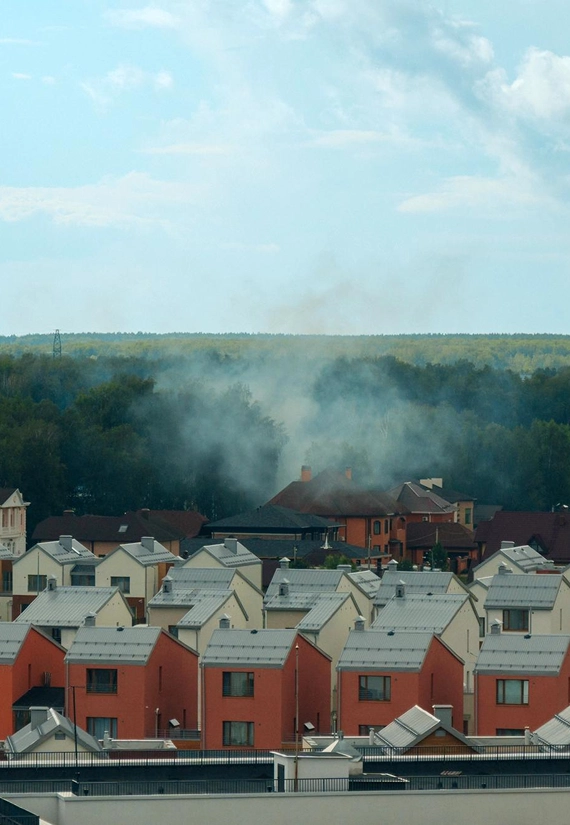
Smoke damage often causes more harm than it appears. After a fire, soot and residue settle inside walls, ceilings, and vents where they aren’t visible. This buildup continues to release fine particles into the air, lowering indoor air quality and posing health risks long after the flames are out.
The acidic nature of soot can corrode electronics, wiring, and plumbing fixtures, leading to failures or leaks over time. Structural materials like wood, drywall, and insulation can also weaken as smoke embeds deeper into porous surfaces.
Hidden dangers include:
- Residue and soot buildup inside walls and HVAC systems.
- Corrosion of electronics, appliances, and fixtures from acidic smoke particles.
- Gradual weakening of materials that reduces the home’s stability.
A professional inspection and lab testing are essential before any cleanup begins. Starting restoration too early or using unqualified contractors can worsen contamination instead of removing it.
Lingering Odors
One of the most stubborn effects of smoke damage is odor. Tiny particles sink deep into wood, fabric, and drywall, making the smell difficult to eliminate. Even after cleaning, trapped particles can release odor for months or years.
Living with that smell can also take a mental toll—it’s a constant reminder of the fire and can lead to stress or sleep problems.
Certified specialists use advanced methods such as:
- Ozone or hydroxyl treatments (only under controlled, ventilated conditions).
- HEPA air filtration to remove fine smoke particles.
- Deep cleaning of walls, ceilings, and fabrics where smoke has settled.
If hazardous materials or heavy-metal levels exceed safety limits under Cal/OSHA or EPA guidelines, additional certified environmental specialists are required. These treatments remove both the odor and contaminants, restoring safe, breathable air.
Fire Damage Cleanup
Cleaning after a fire means more than removing debris. Smoke and soot contain hazardous materials that can cause lasting harm if not handled properly. Professional restoration teams assess the property, identify contamination, and plan safe, thorough remediation.
Typical steps include:
- Assessing fire, smoke, and soot damage throughout the property.
- Cleaning surfaces, furniture, and personal items with specialized equipment.
- Deodorizing with advanced methods that eliminate odors at the molecular level.
- Filtering the air with HEPA systems to restore indoor air quality.
Professional evaluation before cleanup ensures safety, prevents further damage, and preserves important evidence for your insurance claim.
Clean Smoke Damage the Right Way
Homeowners should never attempt to clean smoke damage on their own. Doing so can spread contamination, worsen air quality, and destroy important evidence needed for the insurance claim. Before any cleaning or restoration begins, contact a licensed public adjuster.
A public adjuster can properly document the extent of the smoke damage, coordinate certified environmental testing, and help ensure that cleanup meets IICRC and AQMD standards. Acting quickly is essential—smoke and soot penetrate deeper into surfaces over time, increasing staining, corrosion, and potential health risks.
Getting professional help early not only protects your property and health but also strengthens your insurance claim. Always call a licensed public adjuster before any cleaning or remediation begins so that all damage is accurately recorded and covered under your policy.

Get Help with Your Smoke Damage Claim
At Excel Adjusters, we advocate for you from the moment smoke damage is discovered through the final stages of repair. Our licensed public adjusters identify hidden issues, manage documentation, and work to secure the settlement you deserve—not just what the insurance company offers.
If your home has been affected by wildfire smoke, contact us for a free consultation. We’ll review your policy, coordinate certified testing, and help make sure your property is restored to safe, pre-loss condition with confidence.