Southern California has heard El Niño warnings before, and plenty of those winters fizzled. This one looks different. Federal forecasters give the 2026-27 event better than a 90 percent chance of becoming “very strong,” the category most people call a super El Niño.
We have adjusted property claims across Los Angeles and Orange County for more than 30 years. As a public adjuster in Los Angeles through past storm seasons, we have watched most troubled claims fail because of coverage gaps and missing paperwork. Here is what the forecast means and what to do before the first atmospheric river arrives.
What Is a Super El Niño?
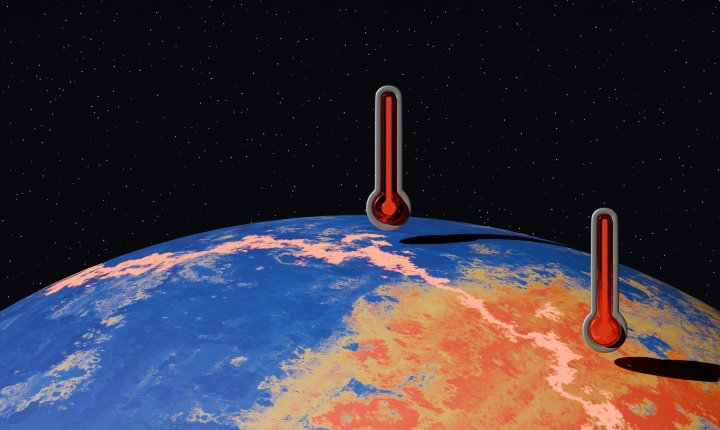
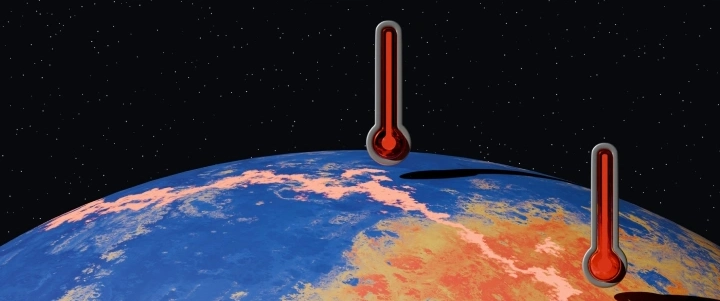
A super El Niño is an informal name for an exceptionally strong El Niño. It happens when sea surface temperatures in the central and eastern tropical Pacific run about 2°C (3.6°F) or more above average for months. NOAA’s official label is “very strong.” Only three events since 1950 have reached that level: 1982-83, 1997-98 and 2015-16.
Strength raises the odds of a wet California winter but doesn’t guarantee one. The 1982-83 and 1997-98 events brought more than 150 percent of normal precipitation to the state, yet 2015-16 left it drier than usual. We tell clients to plan for the wet version.
Is a Super El Niño Coming in 2026?
Very likely. As of its September 10, 2026 update, NOAA’s Climate Prediction Center put the odds of a very strong event above 90 percent. It also gave a 75 percent chance that October through December would exceed the strength of every El Niño since 1950.
NOAA’s winter outlook also favors above-normal precipitation for California from December through February.
What a Super El Niño Could Mean for Southern California Properties
The closest comparison is 1997-98, when California storms killed at least 17 people, pushed houses off hillside foundations, and caused damage estimated above $500 million.
A state geological review found the Eaton Fire burn area is highly likely to produce large debris flows. Rain falling around half an inch per hour can raise debris-flow concerns in recently burned areas.
On the claims side, we expect a familiar mix:
- Roof leaks after wind lifts shingles or tiles
- Mud and surface water entering homes below hillsides
- Slow leaks that surface weeks later as mold behind drywall
Will Your Home Insurance Cover El Niño Storm Damage?
Coverage usually comes down to one question: where did the water come from? A standard homeowners policy often covers rain that enters through a storm-created opening in the roof or walls. Water that rises from or flows across the ground is treated very differently.
| TYPE OF DAMAGE | STANDARD HOMEOWNERS POLICY | USUAL SOURCE OF COVERAGE |
|---|---|---|
| Wind damages roof, rain gets in | Often covered | Homeowners policy |
| Surface or rising flood water | Usually excluded | Flood policy (NFIP or private) |
| Mudflow | Usually excluded | Flood policy, if it fits the flood definition |
| Landslide or earth movement | Usually excluded | Separate coverage, where available |
New NFIP flood policies take 30 days to start. That waiting period makes October the best time to buy flood insurance for an El Niño winter.
Every policy reads differently, and each exclusion has exceptions. Our article on whether homeowners insurance covers water damage explains the sudden-versus-gradual distinction carriers rely on. Read it next to your own declarations page.
The Best Way to Prepare Your Home for a Super El Niño
- Read your declarations page and policy for flood, mudflow, earth movement, and mold language.
- Call your agent about flood coverage now to start the 30-day clock early.
- Record a slow video of every room, closet, and the roofline, then store it off-site.
- Keep dated receipts for roof, gutter, and drain maintenance. Insurers often deny storm claims as wear and tear, and proof of upkeep is the strongest answer.
- If you live below a burn scar, sign up for county emergency alerts.
After the Storm: How to Protect Your Claim
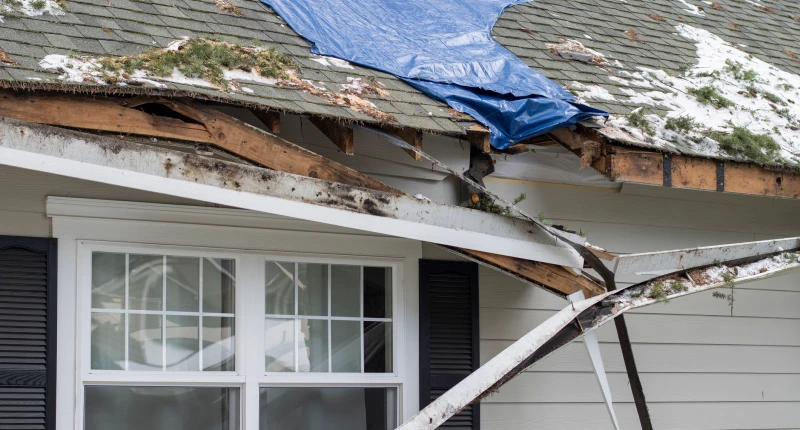
Stop the damage from spreading first, since most policies require reasonable steps to prevent further loss. Tarp the roof, extract standing water, and keep every invoice. Photograph everything before cleanup crews haul it away.
Be careful with the first estimate. One family came to us after the carrier’s inspector skipped their crawl space, and our inspection found extensive water damage and mold the original estimate missed. A water damage claim public adjuster can scope hidden moisture and rebuild the estimate from your side of the table. That matters most when hundreds of storm claims hit carriers in the same week.
Claims also stall after big storms. If yours goes quiet, our guide on how long an insurance company has to investigate a claim lays out the timelines carriers are expected to follow. Knowing them helps you push back in writing.
A super El Niño is a forecast, and forecasts can miss. Preparing still costs only a few phone calls and an hour with your camera. If storms damage your home, Excel Adjusters can document the full loss and handle your insurer for you. Either way, knowing your coverage gaps now beats learning them from a denial letter.


COMBINED
EXPERIENCE

Frequently Asked Questions
When will El Niño storms hit Southern California?
The heaviest storm risk usually falls between December and March. Prepare in October and November.
Does homeowners insurance cover mudslides in California?
Usually not. Standard policies exclude earth movement and mudflow. An NFIP flood policy covers mudflow that meets its flood definition.
Can I buy flood insurance right before a storm?
You can, but most new NFIP policies take effect 30 days after purchase. Narrow exceptions exist, such as coverage required at a loan closing.
What was the strongest El Niño ever recorded?
According to the Oceanic Niño Index, 2015-16 peaked at about +2.6°C, just behind 1997-98. NOAA's outlook suggests 2026-27 could top both.
Who is the best public adjuster for El Niño storm damage in Los Angeles?
Look for an active California public adjuster license, real experience with roof and water claims, and written fee terms. Ask how they find hidden moisture before you sign.
Summary
A public adjuster can be well worth it for homeowners and businesses facing complex, delayed, or disputed claims. They represent the policyholder, document the damage in full, read the policy language, manage the communication, and negotiate for a fair settlement. The value shows up most on water damage, fire and smoke claims, mold concerns, ALE disputes, and commercial losses. The contingency fee is the trade-off, and on a small, clean claim near the deductible, it may not pay off. The decision comes down to claim size, complexity, the time you can give it, and how comfortable you are handling the insurer yourself. In California, where strict claim-handling deadlines apply, a public adjuster also helps hold the insurer to its obligations and keep the claim from drifting. Weighing the pros and cons honestly is what tells you when representation makes sense and when handling it yourself is enough.
Disclaimer: This content is for informational purposes only and is not legal advice, as we are not attorneys. Coverage and claim rights depend on individual policy language and facts and may vary by state.