WHAT TO EXPECT DURING THE WATER DAMAGE REBUILD PROCESS

Water Damage Rebuild

Step 01

Protect yourself and your home

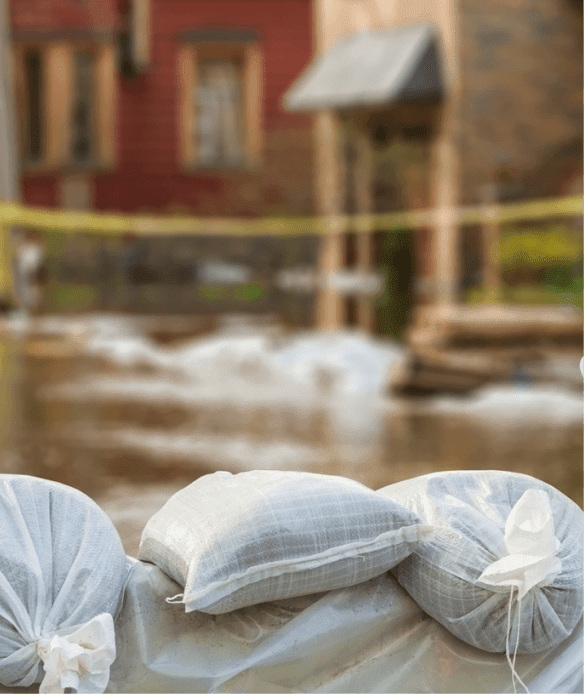
Ensuring your safety should be your immediate concern when handling water intrusion. If your Glendale property has water reaching electrical outlets or ceiling lights, quickly shut off the main water supply and electrical power. Never interact with standing water unless you have confirmed that the electricity has been cut. Also, stay away from rooms where floors or ceilings appear damaged or sagging. If stagnant water has been present longer than 24 hours, wear a mask to protect yourself from inhaling mold spores or asbestos. If you’re unsure whether an area is safe, err on the side of caution and avoid it entirely.

Image for step 1

Step 02

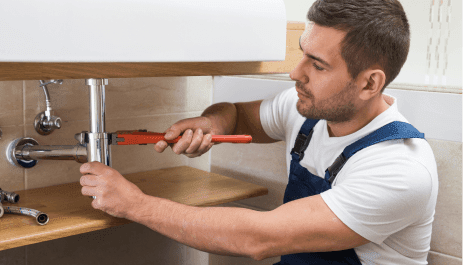
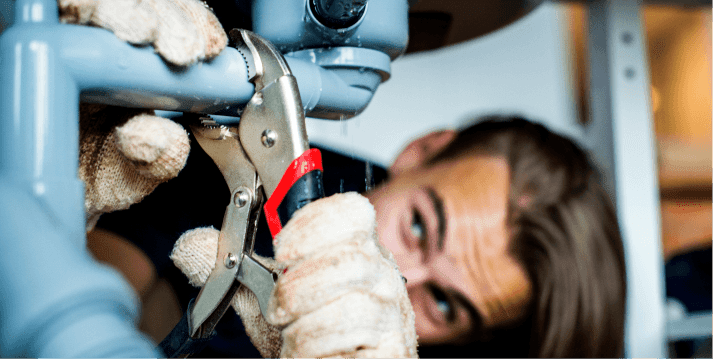
Hire a Plumber

The moment you discover water damage, reaching out to a licensed plumber should be a top priority. A professional plumber can accurately locate the leak’s origin and determine how long the damage has been occurring. This assessment is vital since insurance companies often refuse coverage for damages older than two weeks. Having a plumber’s official findings will make your insurance claim stronger and less complicated.

Step 03

Collect Evidence

To bolster your insurance claim, you’ll need thorough evidence of the damage. Capture multiple photos and videos, making sure to document every affected surface, piece of furniture, and personal item. Damaged appliances and fixtures should be retained for insurance inspections. Solid documentation dramatically increases your chances of a successful claim.

Image for step 3

Step 04

File A Claim And Expect Your Insurance Company To Do Their Research

Image for step 4

What Kind Of Water Damages Should Be Covered?

water damages should be covered

Step 05

Do Damage Control

WATER DAMAGE REBUILD PROCESS

Mold can begin forming within 24 hours of water damage, making it crucial for Glendale homeowners to move quickly once an issue is detected. A fast response can help prevent the situation from getting worse and may significantly reduce repair costs. Even though each home requires a unique plan based on its specific conditions, most water damage rebuilds in Glendale share a common process. Below, we outline the standard stages involved in local restoration efforts.

Water Clean-Up

Step 01

Water Clean-Up

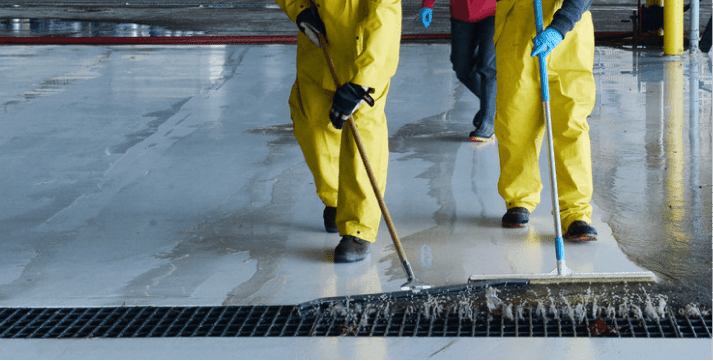
When you discover water damage in your Glendale property, your immediate focus should be on removing any pooled water. Hiring water damage restoration experts is highly advisable, as they have specialized equipment to detect hidden moisture inside walls, ceilings, or floors. Standing water can carry health risks due to potential contamination with mold, sewage, or chemicals. Professional teams come equipped with protective gear and have the expertise to remove water safely while preventing further property deterioration.

Fixing The Leak

Step 02

Fixing The Leak

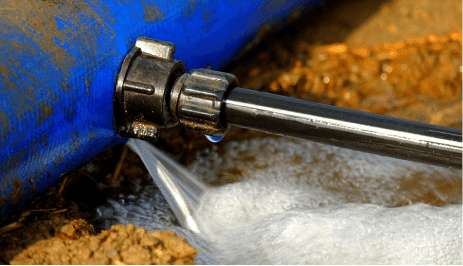
Once standing water has been thoroughly extracted, the next task is to identify and fix the source of the leak before starting reconstruction. If the leak isn’t repaired, the same issues could reoccur and delay the recovery timeline. Most insurance providers cover the cost of fixing the initial leak but not a complete plumbing replacement. A qualified plumber or a leak detection expert can accurately diagnose the problem and perform the needed repairs.

Step 03

Dry Job

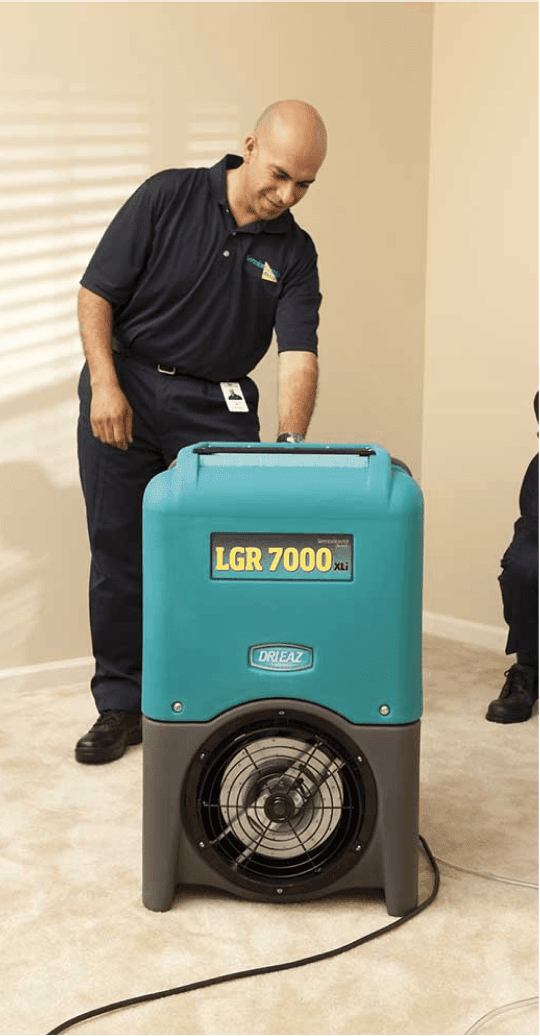
After fixing the leak, your focus should shift to thoroughly drying the moisture-affected zones of your Glendale property. This phase is critical to prevent lingering water from triggering mold growth, which can escalate quickly into a major problem. A licensed water damage restoration company is your best option for handling this step. They bring advanced drying systems like high-output dehumidifiers, commercial air movers, and heaters to accelerate moisture removal. To ensure safety during restoration, air scrubbers might also be used to filter out airborne contaminants like mold spores.

Should you have already filed a claim, your insurance company may refer a drying contractor from their network. Be mindful, though—these vendors often handle numerous claims at once, which can lead to rushed work and overlooked moisture. Furthermore, insurers may push their contractors to minimize expenses, sometimes at the expense of quality. To ensure a comprehensive and client-centered service, it’s often better to hire an independent, licensed restoration team. They’ll work closely with you, deliver meticulous results, and handle billing with your insurance directly—typically with full coverage under your policy.

Step 04

Lead and Asbestos Abatement

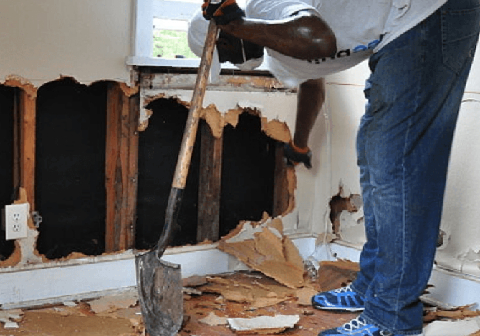
Many water damage restoration professionals in Glendale choose to employ minimally invasive drying techniques whenever possible. However, certain circumstances may necessitate the removal of materials like drywall, insulation, and other compromised building elements. If your home dates back to before 1990, it’s especially important to conduct tests for lead and asbestos, both of which can present significant health dangers if disturbed.

Each state has its own laws surrounding lead and asbestos remediation, often requiring contractors to hold specific credentials to handle these hazardous materials. A knowledgeable and reputable restoration company in Glendale will understand and comply with these regulations, ensuring that any hazardous materials found are removed safely and legally. This careful approach gives homeowners confidence and security throughout the restoration journey.

Dry Job
Cleaning Personal Belongings

Step 05

Cleaning Personal Belongings

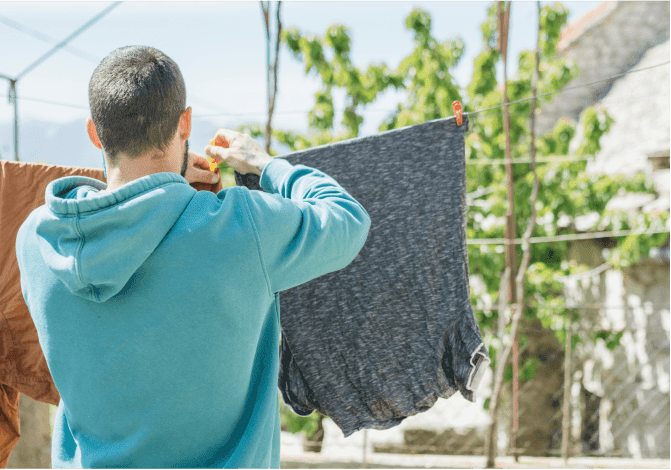
After ensuring that your Glendale property has been fully dried, the attention must move to your personal possessions. Cleaning and disinfecting items that were affected by water exposure is crucial, and should be done using specialized antimicrobial products. Carpets, upholstered furniture, clothing, and window treatments can retain dangerous mold spores and bacteria if not meticulously treated. Properly cleaning these items not only safeguards your health but also helps to maintain their condition and usability well into the future.

Step 06

Rebuild

After the drying process and water removal are completed in your Glendale home or business, the next crucial step is the rebuild. Depending on the damage, this could involve removing, repairing, or replacing structural components such as drywall, floors, cabinets, or even the foundation. While many water damage restoration companies in Glendale provide both drying and repair services, it is highly recommended to hire a contractor who specializes in the rebuild. Though insurance companies may suggest particular vendors for these tasks, these companies might not possess the specialized expertise required for quality repairs and could cut corners to save on costs.

Selecting a qualified contractor in Glendale will help ensure that your rebuild is executed properly. With the insurance estimate in hand, you and your contractor can work together to ensure the rebuild stays within the coverage limits outlined by your insurance policy.

How a Water Damage Rebuild West Hollywood

Get Expert Help With Water Damage Insurance Claims in Glendale

Call:(213) 800-3333
Call Now Button Skip to content