Experiencing fire damage can be both overwhelming and complex, making navigating the insurance claims process a daunting task. Engaging a licensed public adjuster is essential in securing a fair and timely settlement, ensuring that all aspects of the damage are professionally assessed and adequately compensated.
Here’s an in-depth look at how licensed public adjusters can be instrumental in managing your fire damage claims and what to expect during the claims process.
Property Damage Commonly Caused By Fires
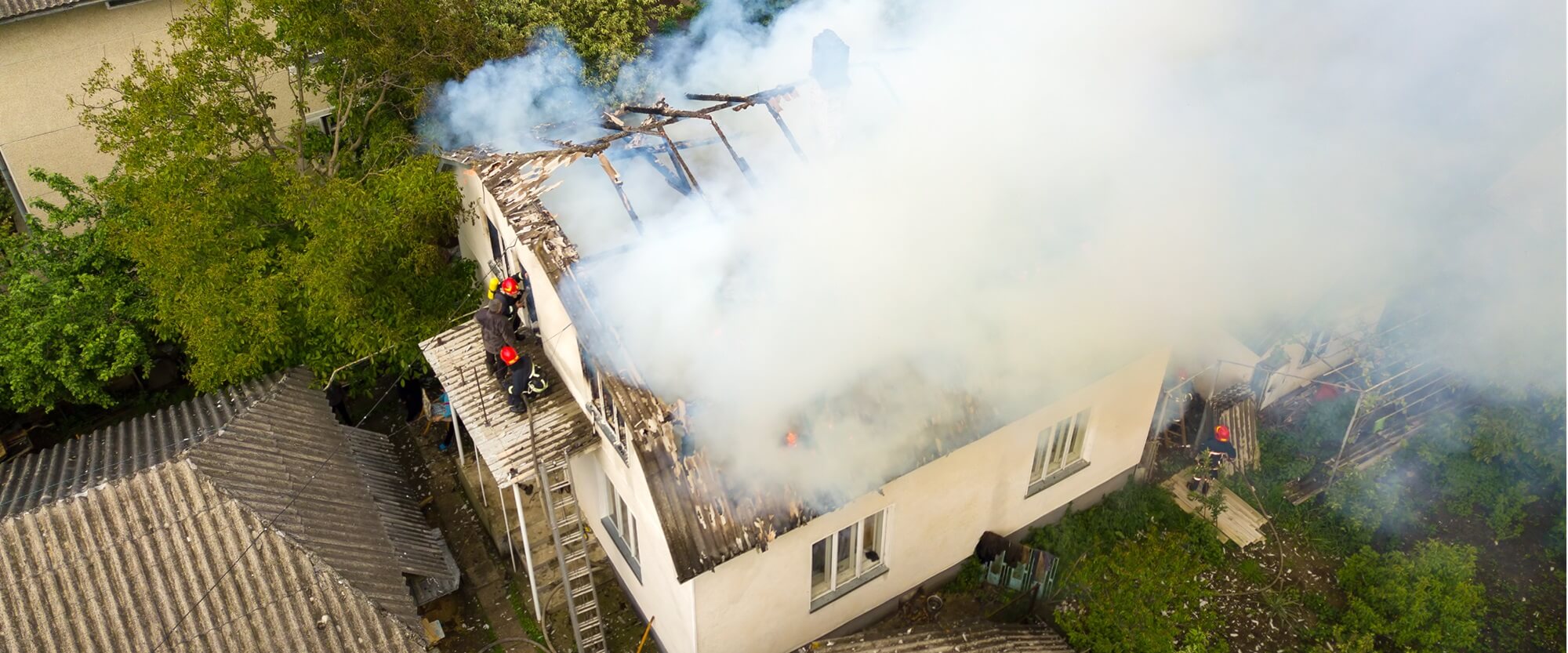
Fire damage to your property can be devastating, making it difficult to know where to even begin with the claims process. A licensed public adjuster can help you handle your claims correctly and efficiently, so that you can obtain the highest payout owed and move forward with your life.
Damage can include:
- Full or partial burn to your home or commercial property
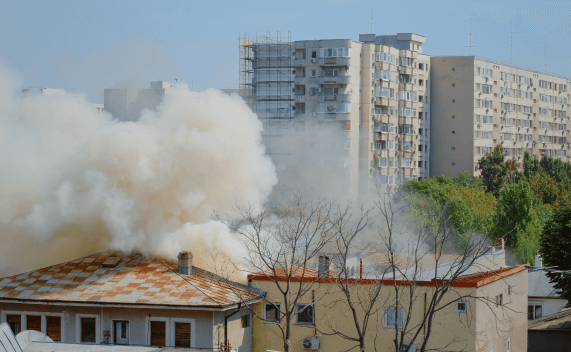
- Smoke damage (including from strong winds causing smoke infiltration of properties that are hundreds of miles away from large fires)
- Water damage
- Wind damage
- Interruption to business
Will Insurance Cover Fire Damage?
When it comes to insurance coverage for fire damage, a homeowners insurance policy and commercial policy typically do cover both wildfire and other types of fire damage to a home or property, but there are important details and conditions to consider:
Type of Fire Coverage
Most standard homeowners’ insurance policies and commercial insurance policies cover fire damage. This includes fires caused by accidents within the home (such as kitchen fires) as well as those caused by external events such as wildfires. However, it’s crucial to read the policy details to understand any exclusions or limitations.
Extent of Coverage
The coverage usually includes damage to the structure of the property, any personal belongings, and might also provide for additional living expenses if your home is uninhabitable during repairs. The amount of coverage, however, depends on the policy limits and deductibles that have been agreed upon.
Exclusions
Some policies might exclude certain types of fire damage or might not cover fires under specific circumstances. For example, if a fire was caused by gross negligence or intentional acts, the insurer might deny the claim.
Geographical Considerations
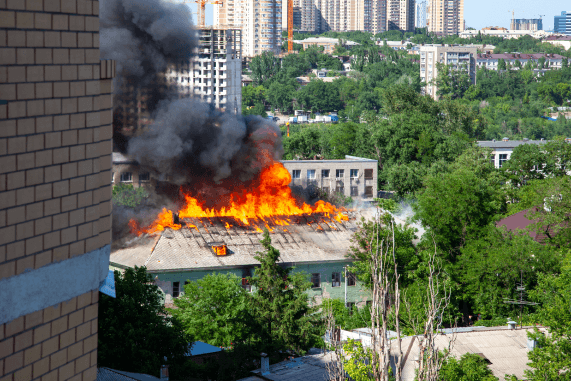
In areas prone to wildfires, some insurers might require additional fire coverage or a separate policy that specifically includes wildfire damage. Premiums in high-risk areas can be significantly higher, and some insurers might not offer coverage at all, requiring property owners to seek insurance through a government-backed plan or a surplus lines insurer.
Documentation and Claims Process
To ensure a successful claim, it’s important that you maintain good records of your belongings and any upgrades or renovations to your property. In the event of a fire, timely reporting and thorough documentation of the damage are crucial for the claims process.
Preventative Measures and Discounts
Many insurance companies offer discounts for property equipped with fire prevention and safety features such as smoke detectors, sprinkler systems, and fire-resistant materials. Taking proactive steps to protect your property from fire can not only reduce the risk but can also lower insurance premiums.
The Role of Licensed Public Adjusters
By hiring a licensed public adjuster, you’ll ensure your fire damage claim is handled professionally and thoroughly, helping you get the maximum settlement you are owed. If you experience fire damage and need to submit a claim, a licensed public adjuster will assist during the entire claims process, which includes the below steps.
Coordinating with an Independent Hygienist For Contaminant Testing
A licensed public adjuster will help bring in an independent hygienist before initiating your claim. This professional will assess the extent of damage your property has suffered from a fire. Specifically, they will test for ash, soot, smoke levels, and other contaminants on interior surfaces like windows, floors, furniture, and air. This ensures all potential toxins are identified.
We advise against using a hygienist suggested by your insurance provider, as they might not represent your best interests, potentially leaving you responsible for unacknowledged damages.
Review Damage Report
After testing, the hygienist will provide a report to you and your licensed public adjuster detailing all damages and recommend whether contaminated items should be replaced. This report is crucial for your licensed public adjuster to put together a thorough fire claim.
Notify Your Insurance Provider
A public adjuster will notify your insurance provider of the damages that have occurred. Speaking with an insurance company requires in-depth knowledge of insurance policies and home repairs – a public adjuster has the expertise to do so.
Help To Maximize Your Payouts
A public adjuster does everything in their power to get you the money you need. A public adjuster is licensed by the state and can provide legal representation for you throughout the fire claims process. Our mission is to ensure you receive the maximum payout you deserve.
Get You Like-For-Like Repairs
Insurance companies will try to cut corners in your repairs by doing a poor repair job or hiring cheap restoration companies. If you are not happy with any repair jobs, we can help negotiate with your insurance company in order to get the “like-for-like” standard outlined in your policy.
Help You To Get Reimbursed For Living Costs Incurred
If your insurance company is refusing to cover ALE or Loss of Use expenses, public adjusters can work with your insurance company in an attempt to get you reimbursed for any living costs you incurred in your temporary home.
Assist with Claim Denials
If your fire disaster claim has been denied, a public adjuster can speak with your insurance company to provide evidence and reasoning as to why your damages should be covered by your carrier.
How Hiring a Public Adjuster Can Benefit Your Fire Damage Claims Process
Public adjusters can help with your fire damage claims process in many ways, including the below:
- Potentially maximize your insurance claim payouts
- Receive help with the entire claims process
- Have someone advocating for you for a fair settlement
- Experience an expedited claims process so that you can move on with your life
- Receive a thorough assessment of damages
- Trust that you have received the benefits you were entitled to receiving
- Experience less stress during the claims process
- Get “like for like” repairs
- Receive help if your claim was initially denied
Navigating the fire damage insurance claims process after experiencing fire damage can be complex, but with the right support and knowledge, you can manage it effectively. A licensed public adjuster plays a crucial role in this process, ensuring that your claim is handled professionally and that you receive the fair and just settlement you need to repair and restore your home.


COMBINED
EXPERIENCE


If you’ve experienced fire damage and need to file a claim, we can help with the fire damage insurance claim process.
Contact Us Today For A Free Consultation